
What Disordered Eating Actually Looks Like
Signs of Disordered Eating, Chronic Dieting, and Food Anxiety
A lot of people assume disordered eating only “counts” if someone has a diagnosed eating disorder.
But disordered eating exists on a spectrum — and many behaviors that have become normalized in wellness culture are actually signs that someone’s relationship with food has become stressful, rigid, or disconnected.
Mental Health Awareness Month: You Don’t Have to “Earn” Support
May is Mental Health Awareness Month, which means your social feeds are probably full of reminders to “check on your strong friends,” prioritize self-care, drink more water, meditate, stretch, journal, go outside, and somehow also become the most emotionally regulated version of yourself overnight.
And while we love a grounding walk and a good iced coffee moment as much as anyone… mental health support is about so much more than productivity hacks and wellness trends.

Neurodivergence and Disordered Eating: When Your Brain and Body Speak Different Languages
For many neurodivergent folks — including those with ADHD, autism, and other beautifully complex ways of thinking and processing — eating can feel less like an intuitive, natural rhythm and more like trying to follow a map without clear landmarks.
High-Functioning Eating Disorders: When Everything Looks Fine on the Outside
High-functioning eating disorders often go unnoticed. Learn the signs, how perfectionism plays a role, and when to seek specialized therapy.

Why Having a Hobby Can Heal Your Relationship With Your Body
If you’ve ever found yourself spiraling in the mirror, scrolling until your confidence disappears, or mentally zooming in on every part of your body that feels “off,” you’re not alone. Negative body image has a sneaky way of shrinking life down to one main question:
How do I look?
At Wilder Wellness, we often invite a different, more interesting question:
What am I doing with this body?
That shift—from body surveillance to body experience—can be a game changer. One of the simplest, most overlooked ways to practice it is through something surprisingly ordinary and powerful:
Navigating Body Image throughout a Food-Forward Holiday Season
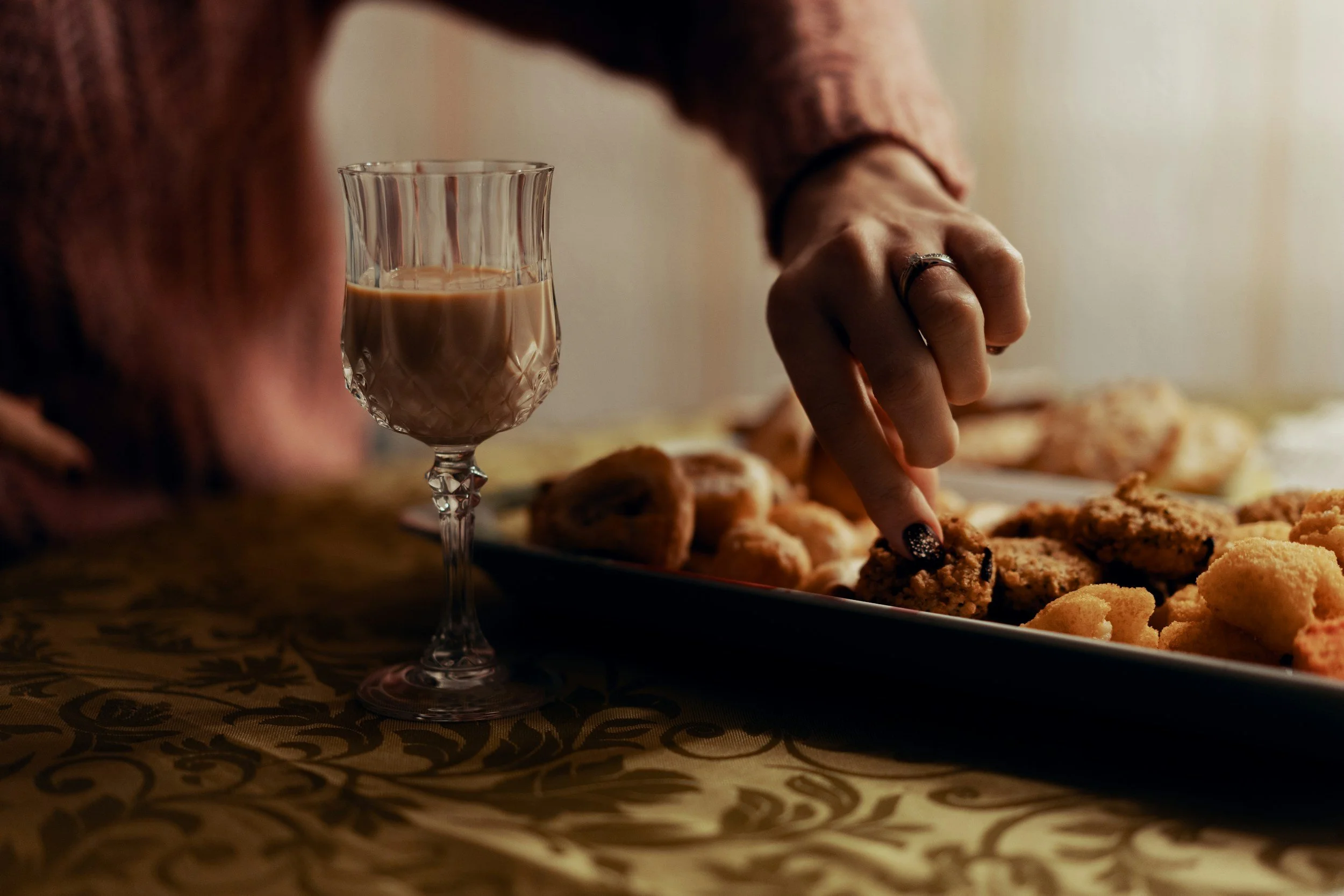
The holidays often bring connection, tradition, and joy, but for many people, they can also bring a wave of body image thoughts and food guilt. When the table is full and routines shift, it’s easy to feel ungrounded in your body. If you’ve noticed more self-criticism or discomfort after a food-forward holiday, you’re not alone. And it doesn’t mean you’ve “fallen off track.” It’s an opportunity to practice self-compassion and reconnect with your body in a gentler way.

All-or-Nothing Thinking: What It Really Is, Why It Shows Up, and How to Respond to it.
You’ve probably heard the classic reminder: “Progress, not perfection.”
Lovely! Inspiring!…and yet somehow not enough to keep perfectionism from running the show behind the scenes.
Maybe you’ve noticed it in the pressure to “eat clean,” follow your routine exactly, or finally feel like every piece of your life is neatly tucked into place. All-or-nothing thinking has a way of slipping into our daily rhythms disguised as ambition, discipline, or “just wanting to be better.” But underneath? It often fuels exhaustion, shame, and the feeling that no matter what you do…it’s never quite enough.

Gratitude as a Tool for Body Image Healing
Body image healing isn’t about suddenly loving every part of yourself. It’s about learning to relate to your body with more compassion, curiosity, and care.
In a world that constantly tells us to fix, shrink, or perfect ourselves, gratitude can be a quiet act of rebellion. It helps shift our attention from what’s wrong with our bodies to what’s working, from how we look to how we live.
While gratitude won’t erase body image struggles overnight, it can soften the edges, helping us build a more peaceful, respectful relationship with our bodies over time.

Managing Comparison Traps During the Holidays
The holiday season can be magical–full of cozy gatherings, delicious food, and meaningful traditions. But for many of us, it also brings a sneaky visitor: comparison.
Whether it’s comparing gifts, bodies, family dynamics, or how “put together” someone else seems, the holidays can amplify the feeling that we’re falling short. Social media doesn’t help either with endless highlight reels of perfect decorations and smiling families, it can leave us questioning why our life doesn’t look like theirs.
If you’ve ever found yourself in that headspace, you’re not alone. Here’s how to manage those comparison traps and reclaim peace (and joy) during the holidays.

Food Access Resources in Central Oregon
At Wilder Wellness, we know that food insecurity isn’t just about hunger — it’s about stress, shame, and survival. The emotional weight of wondering how to keep yourself or your family nourished can increase anxiety, depression, and eating disorder behaviors.
That’s why we created this list: to help Oregonians connect to low-barrier, community-run food programs where dignity, respect, and nourishment are the focus — not paperwork or proof of benefits.

Wilder Wellness 2025 Reading List: Books That Inspire Healing, Growth, and Liberation
At Wilder Wellness, we’re always reading—books that stretch us, ground us, and help us better support our clients on their healing journeys. Our 2025 reading list is a collection of works that invite self-compassion, challenge old systems, and deepen our understanding of what it means to care for ourselves and each other.
Each of these titles speaks to a core value at Wilder Wellness: that healing is not about perfection, compliance, or productivity—it’s about connection, liberation, and trust. Whether we’re exploring inner parts through IFS, unpacking inherited trauma, or learning to rest in a culture that glorifies burnout, these works remind us that therapy is both personal and collective.

Food Culture and Eating Disorders in South Asian Families
Aloo parantha, butter chicken, rajma, pakora, paneer, bhurji, tandoori chicken, samosa, aloo tikki, dal, ladoo, barfi, jalebi- all beautiful foods that feel like home that we should be able to eat or not eat, without shame. Food is our culture's love language, and that’s an amazing thing.
From an eating disorder therapist's perspective, it is important to remember that food IS a wonderful way to connect, but it doesn’t need to be the only way we connect. There are numerous other ways we can share love with our complex, multifaceted Brown families and still feel a sense of belonging and connection.


5 Signs That You Aren't Eating Enough as an Athlete
5 Signs That You Aren't Eating Enough as an Athlete