Why Having a Hobby Can Heal Your Relationship With Your Body
If you’ve ever found yourself spiraling in the mirror, scrolling until your confidence disappears, or mentally zooming in on every part of your body that feels “off,” you’re not alone. Negative body image has a sneaky way of shrinking life down to one main question:
How do I look?
At Wilder Wellness, we often invite a different, more interesting question:
What am I doing with this body?
That shift—from body surveillance to body experience—can be a game changer. One of the simplest, most overlooked ways to practice it is through something surprisingly ordinary and powerful:
A hobby.
Not a “fix yourself” hobby.
Not a “punish your body” hobby.
But something that pulls you into curiosity, challenge, and real life.
Bonus points if it happens outside.
From Watching Your Body to Living in It
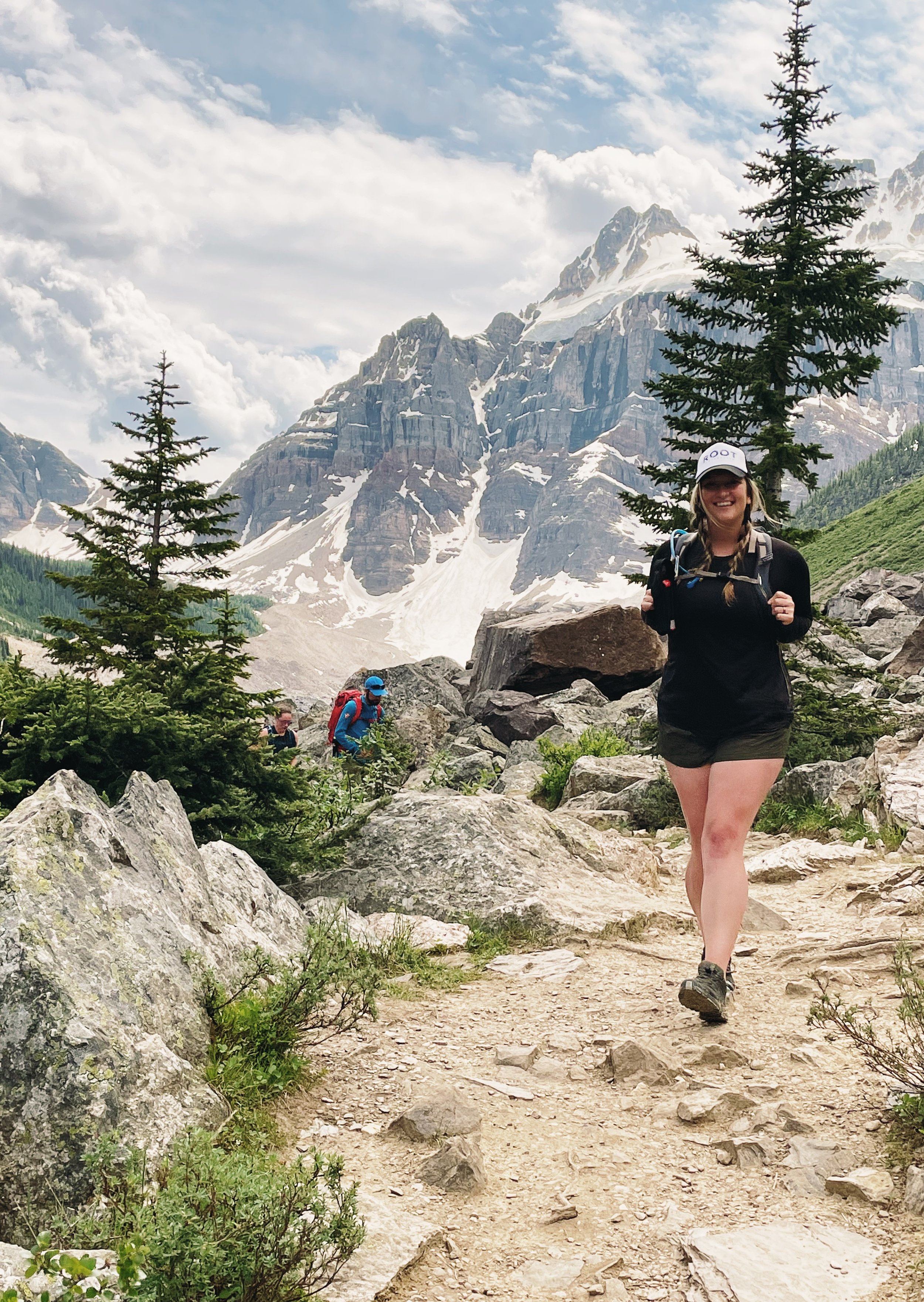
When body image is loud, attention turns inward and critical:
I look disgusting.
What needs fixing?
How do I compare to other bodies?
Hobbies interrupt that loop.
When you’re hiking a ridge, learning to paddle, scrambling over rocks, lining up a photo, or navigating a trail, your brain has better things to do than body-check.
Attention moves outward—toward terrain, breath, balance, weather, and problem-solving.
Instead of:
“I hate my legs.”
It becomes: “Wow, my legs just got me up here.”
Instead of: “My body is the problem.”
It becomes: “My body is part of the solution.”
For people healing from disordered eating or chronic self-criticism, this shift from object to participant is huge.
What Research Says About Hobbies + Body Image
This isn’t just poetic—it’s supported by research.
Large international studies show that people who engage in hobbies regularly report better mental health, lower stress, and higher life satisfaction than those who don’t. The benefit isn’t about productivity; it’s about engagement, meaning, and enjoyment.
Research on nature exposure also shows that time spent outdoors is linked with more positive body image and body appreciation. Natural environments pull people away from appearance-focused cultural cues and toward functionality—what the body can do, not just how it looks.
Other studies on recreational and outdoor activity suggest people begin valuing capability, strength, and adaptability over appearance when they’re engaged in real-world challenges.
In simple terms:
When your life gets more interesting, your brain gets less obsessed with your reflection.
Being Goal-Oriented Without Making Your Body the Goal
Here’s an important piece for a lot of people: having a hobby doesn’t mean giving up ambition.
Many folks with body image struggles are already very goal-oriented. The issue isn’t drive—it’s where the drive gets pointed.
In diet culture, the body becomes the project:
smaller, leaner, controlled, perfected.
But goals don’t have to disappear. They can just move.
Instead of aiming at your body, you aim at the experience:
The summit
The distance
The trail
The skill
The adventure
The “I didn’t think I could, but I did” moment
Your body stops being the destination and becomes the vehicle.
Instead of:
“I need to change my body so I can live.”
It becomes:
“I’m living, and my body is adapting with me.”
That shift is especially powerful for people recovering from using their bodies as proof of worth. You don’t lose motivation—you give it somewhere healthier to go.
Why the Outdoors Helps So Much
Nature has a funny way of reorganizing priorities.
Outside, your body isn’t being evaluated—it’s being used.
It balances.
It climbs.
It steadies.
It problem-solves.
It breathes differently.
When you’re navigating a trail, reading a river, managing weather, or pushing toward a viewpoint, your body becomes a collaborator instead of a canvas for criticism.
Research shows that natural environments encourage people to think less about appearance and more about function and presence, which is closely tied to body appreciation and well-being.
The mountain doesn’t care what your body looks like.
It cares whether you show up.
And that can be surprisingly relieving.
Choosing Hobbies That Expand Your Life
A helpful question isn’t, “Will this change my body?”
It’s, “Will this expand my life?”
Hobbies that tend to support body trust are:
Challenging in a nourishing way
Curious, not compulsive
Focused on experience, not correction
Some outdoorsy, Wilder-style ideas:
Summit hikes and ridge walks
Paddle boarding toward a destination
Trail running with terrain goals
Scrambling or bouldering
Nature photography quests
Backpacking trips
Cold-water dips (safely + supported)
Sunset chasing
These aren’t about earning food or shrinking yourself.
They’re about building memories, strength, confidence, and story.
Your hobby shouldn’t ask, “How do I look doing this?”
It should ask, “Where can I go next?”
The Bigger Picture
Healing body image isn’t only cognitive—it’s experiential.
You don’t just change how you think about your body.
You change what your body gets to be part of.
Research shows hobbies and nature engagement support mental health, reduce stress, increase self-esteem, and foster body appreciation. But beyond the research, something simple happens:
When your life gets fuller, your body stops being the main project.
You stop asking:
“Is my body okay?”
And start asking:
“What can we do together today?”
That’s where confidence actually grows—not from loving every inch of your reflection, but from building a life that feels adventurous, capable, and worth showing up for